Common Causes of Cracks in Commercial Concrete Slabs
To address common causes of cracks in commercial concrete slabs, local contractors can assess the damage and provide effective repair solutions to restore stability and safety.
Understanding the common causes of cracks in commercial concrete slabs can help property owners identify potential issues early and take proactive steps to protect their investments. Cracks may develop due to a variety of factors, including improper mixing, inadequate curing, or shifting ground conditions. Recognizing these underlying reasons is essential for maintaining the integrity and safety of commercial spaces, especially in areas where heavy foot or vehicle traffic is frequent. Local contractors who specialize in concrete slab repair are equipped to assess these causes and recommend effective solutions to prevent further damage.
For property owners exploring this topic, gaining insight into why cracks form can lead to more informed decisions about repair and maintenance. Addressing issues like settlement, temperature fluctuations, or poor construction practices early on can save time and money in the long run. Skilled service providers in the area offer expertise in fixing cracks caused by these common issues, helping to restore the durability and appearance of commercial concrete slabs. Continuing to learn about these causes can empower property owners to maintain safe, functional spaces that stand the test of time.
- Commercial concrete slab crack repair services are often needed when settlement or ground movement causes cracks to develop, and local contractors assess the extent before repairing.
- When temperature fluctuations lead to expansion and contraction in concrete slabs, local pros can implement crack repair solutions to restore slab integrity.
- Cracks resulting from improper installation or subgrade issues can be addressed by experienced service providers who evaluate the root cause prior to repair.
- Signs of structural stress or overloading in commercial slabs may require crack repairs, with local contractors tailoring solutions to the specific cause.
- Water infiltration and freeze-thaw cycles can cause cracking over time, prompting local pros to perform repairs that help prevent further damage.
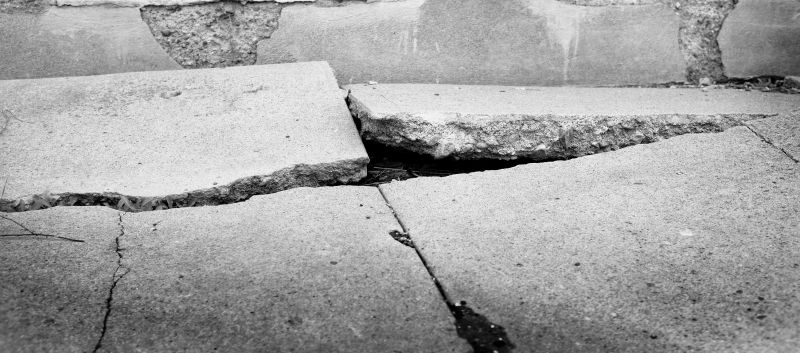
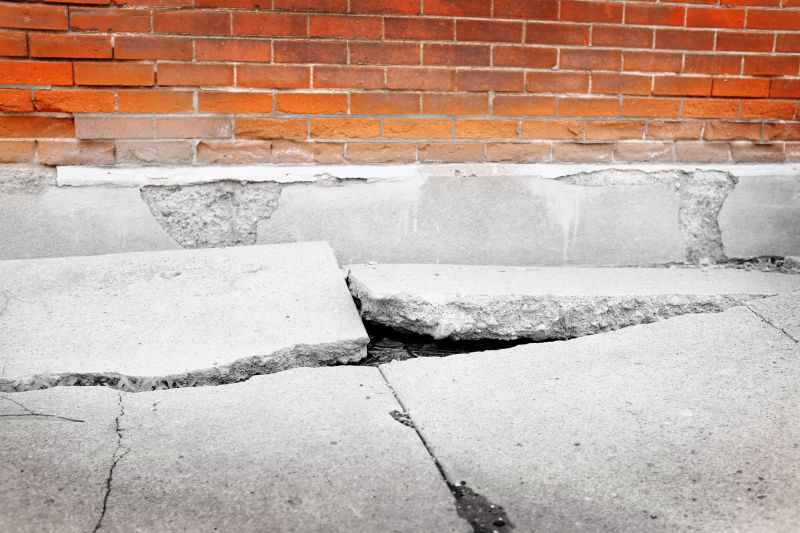
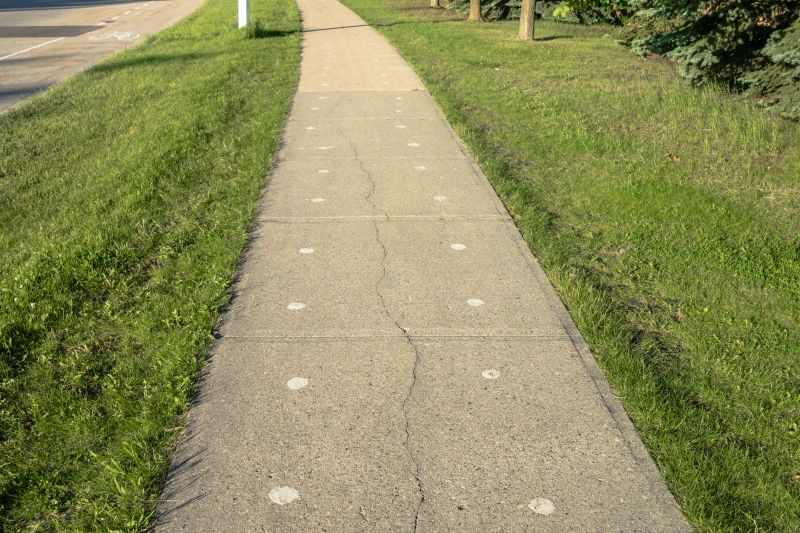
Understanding the common causes of cracks in commercial concrete slabs is essential for property owners and managers who want to maintain the integrity and safety of their facilities. When searching for this topic, many are typically concerned about the structural stability of their concrete surfaces, especially in high-traffic or heavy-use areas. These cracks can develop over time due to various factors, leading to concerns about trip hazards, water infiltration, or further deterioration that might impact the property's value and usability. Recognizing the root causes helps in planning effective repairs and preventing future issues, making it a key consideration for property owners who want to protect their investment.
The problems associated with cracks in commercial concrete slabs are often linked to the planning and construction phases, as well as ongoing environmental influences. For example, improper mix design or inadequate curing during installation can leave slabs more vulnerable to cracking. Additionally, shifts in the ground beneath the slab-caused by soil settling, moisture changes, or poor compaction-can exert pressure that leads to surface cracks. These issues are particularly relevant for properties like warehouses, retail centers, parking lots, and industrial facilities, where large concrete surfaces are subjected to constant use and environmental exposure. Addressing these causes early can help prevent costly repairs and extend the lifespan of the concrete.
Properties that typically experience cracks in concrete slabs include commercial parking lots, loading docks, walkways, and foundation slabs for large buildings. These areas often face heavy loads, frequent movement, and exposure to weather elements, all of which contribute to crack formation. For example, parking garages and industrial floors are subjected to constant vehicle weight and mechanical stress, which can cause stress fractures over time. Similarly, outdoor walkways exposed to freeze-thaw cycles are prone to cracking due to moisture expansion and contraction. Local service providers who specialize in commercial concrete slab crack repair can assess the specific conditions of each property, identify the underlying causes, and recommend appropriate solutions to restore durability and safety.
For property owners facing cracks in their commercial concrete slabs, understanding these common causes is a crucial step toward effective repair and prevention. Local contractors experienced in concrete crack repair are equipped to evaluate the extent and origin of cracks, whether they stem from ground movement, material issues, or environmental factors. They can then implement targeted repairs that address the root cause, such as joint sealing, reinforcement, or slab replacement. Connecting with these service providers ensures that the property’s concrete surfaces are properly restored, helping to maintain structural integrity and reduce the risk of future cracking. Proper diagnosis and professional repair are key to managing the long-term performance of commercial concrete slabs.
Parking lot construction - local contractors experienced in parking lot projects understand the importance of proper slab installation to prevent cracks caused by settlement and load stress.
Industrial flooring installation - professionals specializing in industrial floors are familiar with the planning and materials needed to minimize cracking in large concrete slabs.
Warehouse slab pouring - warehouse construction projects require precise planning and execution, which can help address common causes of cracks in commercial concrete slabs.
Sidewalk and walkway projects - local service providers skilled in sidewalk installation can ensure proper joint placement and reinforcement to reduce cracking issues.
Foundation repair services - contractors experienced in foundation work understand soil movement and load factors that contribute to cracks in concrete slabs.
Commercial landscaping and paving - those handling paving projects are familiar with soil conditions and drainage solutions that can prevent cracks in concrete surfaces.
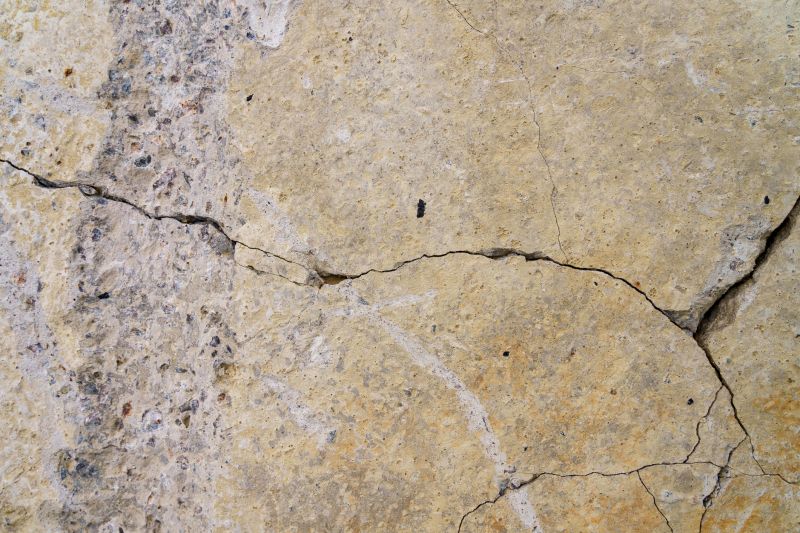
When evaluating service providers for commercial concrete slab crack repair, it is important to consider their experience with similar projects. Contractors who have a proven track record in addressing common causes of cracks in commercial concrete slabs are more likely to understand the unique challenges that can arise. Homeowners should inquire about the types of projects the pros have completed, paying attention to those involving slabs with comparable conditions or issues. A contractor’s familiarity with the typical reasons behind cracks-such as settlement, improper joint placement, or environmental stress-can provide confidence in their ability to diagnose and effectively repair the problem.
Clear, written expectations are essential when comparing local contractors for concrete slab repairs. Homeowners should seek detailed descriptions of the scope of work, including the methods used to address the specific causes of cracks, and what the repair process entails. Having a well-defined plan helps ensure that both parties are aligned on the project’s goals and reduces the likelihood of misunderstandings. Reputable service providers are transparent about their approach and provide comprehensive information about the steps involved in repairing cracks caused by common issues like soil movement or structural stress, which can help homeowners make informed decisions.
Effective communication and reputable references are vital factors to consider when choosing a contractor for concrete slab crack repair. Contractors who are responsive and willing to answer questions demonstrate professionalism and a commitment to customer service. Additionally, requesting references or reviews from previous clients can offer insight into the contractor’s reliability and quality of work. Good communication ensures that homeowners can discuss concerns or changes during the project, while references can confirm the contractor’s experience in resolving common causes of cracks. This combination of clear communication and trusted recommendations helps homeowners select service providers capable of delivering dependable and satisfactory repair work.
Property owners often search for common causes of cracks in commercial concrete slabs when they are planning practical projects around their homes and businesses. Local pros provide Commercial Concrete Slab Crack Repair services for everyday jobs and straightforward project options.
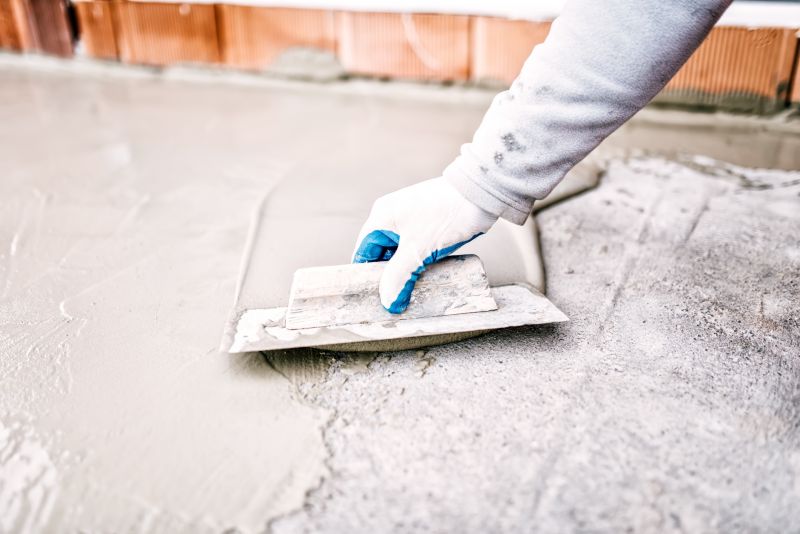
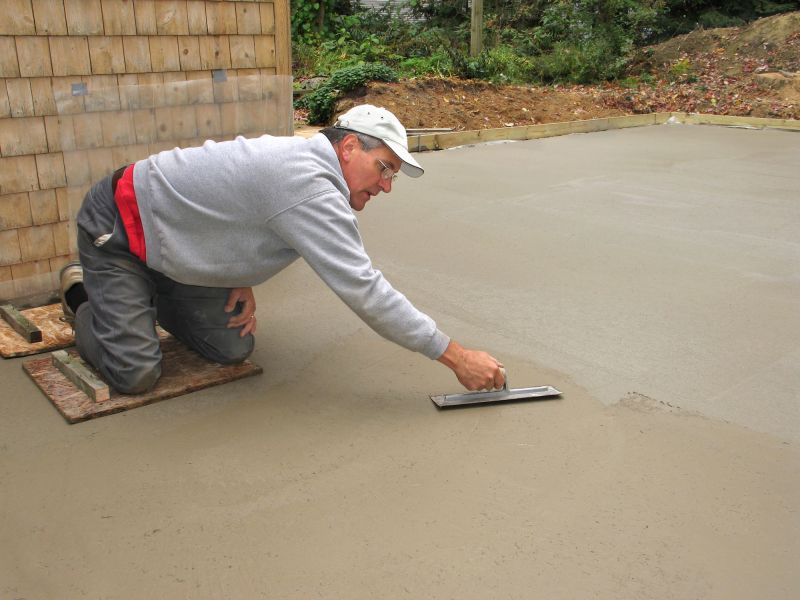
Understanding the common causes of cracks in commercial concrete slabs can help property owners identify issues early and seek appropriate repairs. Often, cracks develop due to factors such as soil movement beneath the slab, which can occur from natural settling or moisture changes in the ground. Heavy equipment or frequent traffic on the surface can also put stress on the concrete, leading to surface or structural cracks over time. Additionally, improper mixing, inadequate curing, or poor installation practices during the initial pour can contribute to weaknesses that eventually result in cracking.
When cracks appear, it’s important to consult with experienced local contractors who specialize in commercial concrete slab repair. These service providers can assess the extent of the damage, identify the underlying causes, and recommend suitable solutions to restore the integrity of the slab. Addressing issues promptly can help prevent further deterioration and maintain the safety and functionality of the property. Connecting with qualified local experts ensures the right repairs are made efficiently and effectively.
What are common causes of cracks in commercial concrete slabs? Common causes include improper mixing, inadequate reinforcement, soil movement, and thermal expansion. Local contractors can assess these issues and recommend appropriate repair solutions.
How does soil movement lead to cracking in concrete slabs? Soil shifting or settling can create uneven stress on the slab, resulting in cracks. Local service providers can evaluate soil conditions and perform repairs to stabilize the slab.
Can temperature changes cause cracks in commercial concrete slabs? Yes, temperature fluctuations can cause expansion and contraction, leading to cracking over time. Experienced contractors can implement measures to minimize damage from thermal stress.
Why does improper curing contribute to cracks in concrete slabs? Insufficient curing can cause uneven drying and weak spots, increasing the likelihood of cracks. Local pros can perform proper curing and repair existing cracks effectively.
Are structural issues a common cause of cracks in commercial concrete slabs? Structural problems, such as overloading or design flaws, can lead to cracking. Skilled service providers can diagnose these issues and carry out necessary repairs to restore stability.
Soil movement - property owners can assess soil stability around their slabs and work with local contractors to address ground shifting that causes cracks.
Poor curing practices - understanding proper curing methods helps property owners prevent early cracking, with local pros providing expert guidance.
Overloading - avoiding excessive weight on concrete slabs can reduce stress, and local service providers can recommend appropriate load limits.
Temperature fluctuations - planning for expansion and contraction through proper joint placement helps prevent cracks caused by temperature changes, with local pros offering tailored solutions.
If you are thinking about common causes of cracks in commercial concrete slabs for a property, this guide is meant to help you understand this topic, the typical project types, and how different options might fit your plans.
When you are ready, you can use the quote form on this page to share a few details about your project. From there, local pros can review the basics and follow up with options that match what you have in mind.